A specialist team,
deliberately small
Konxis Engineering was founded to do difficult mechanical problems properly — with direct technical involvement from the engineers responsible for the work.
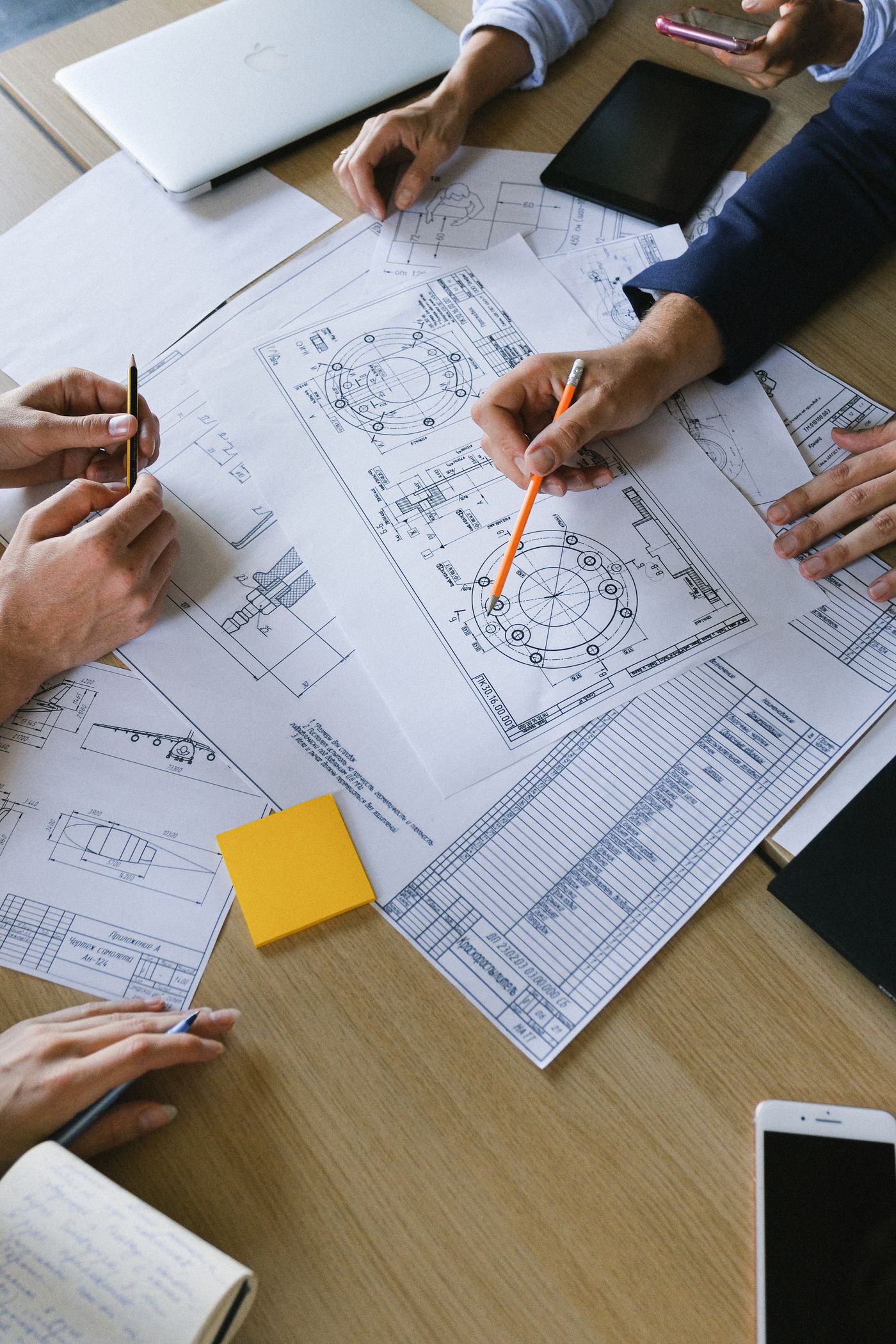
Konxis Engineering · engineering analysis team
A team of engineers.
Specialist perspective.
Konxis is a team of engineers, not a single practitioner. The group combines advanced academic training with professional experience gained inside established aerospace, automotive and industrial engineering organisations.
Several members of the team hold a Master's degree in Engineering from IIT Bombay. Between them, team members have worked with established manufacturers and suppliers across these sectors. Collectively, that background covers structural analysis, verification and validation, failure analysis, composite structures, material behaviour, and nonlinear and dynamic problems.
Team academic and professional background — the education and previous employment described above — is clearly separated from Konxis client work. The first is background and training. The second is the work this practice performs for its clients, and only that work is presented as Konxis's. Individual client engagements and client names are not published.
Why small is an advantage
Konxis is intentionally small and specialist. That means clients work directly with the engineers responsible for understanding the problem, developing the analysis and interpreting the result.
There is no handover between sales, project management and analysis. The engineers you discuss the problem with are the engineers doing the work — and the ones who sign off on the conclusion.
You talk directly to the engineers who understand the problem.
How the work is done
Every engagement follows the same engineering logic, regardless of industry or method.
Understand
Understand the product, operating conditions, available evidence and the problem you are trying to solve.
Define
Turn the problem into specific engineering questions that can actually be answered.
Model
Choose an appropriate representation of geometry, materials, loads, contacts and constraints.
Verify
Check the model, assumptions and numerical behaviour before relying on the result.
Validate
Where appropriate and practical, compare predictions with test data, measurements or other credible reference evidence.
Decide
Turn the technical result into a design change, operating limit, inspection requirement, test plan or engineering conclusion.
Fig. 02 — Engineering question → model → evidence → decision
The objective is not the most complicated model. It is a model and evidence base that are appropriate for the decision.
Talk to the engineers
You do not need to know which simulation method you need before getting in touch. A project can begin with a focused engineering discussion or diagnostic assessment.
Tell us what is happening, what you already know, and what decision you need to make. We can then determine what level of analysis and evidence is actually justified.
- Direct technical involvement on every engagement
- The level of analysis matches the consequence of the decision
- Evidence status is always stated clearly
- Client information is treated as confidential
- The conclusion can be that nothing needs to change
Working across India.